
From Spreadsheets to Smart Models: AI’s Role in Modern Financial Forecasting
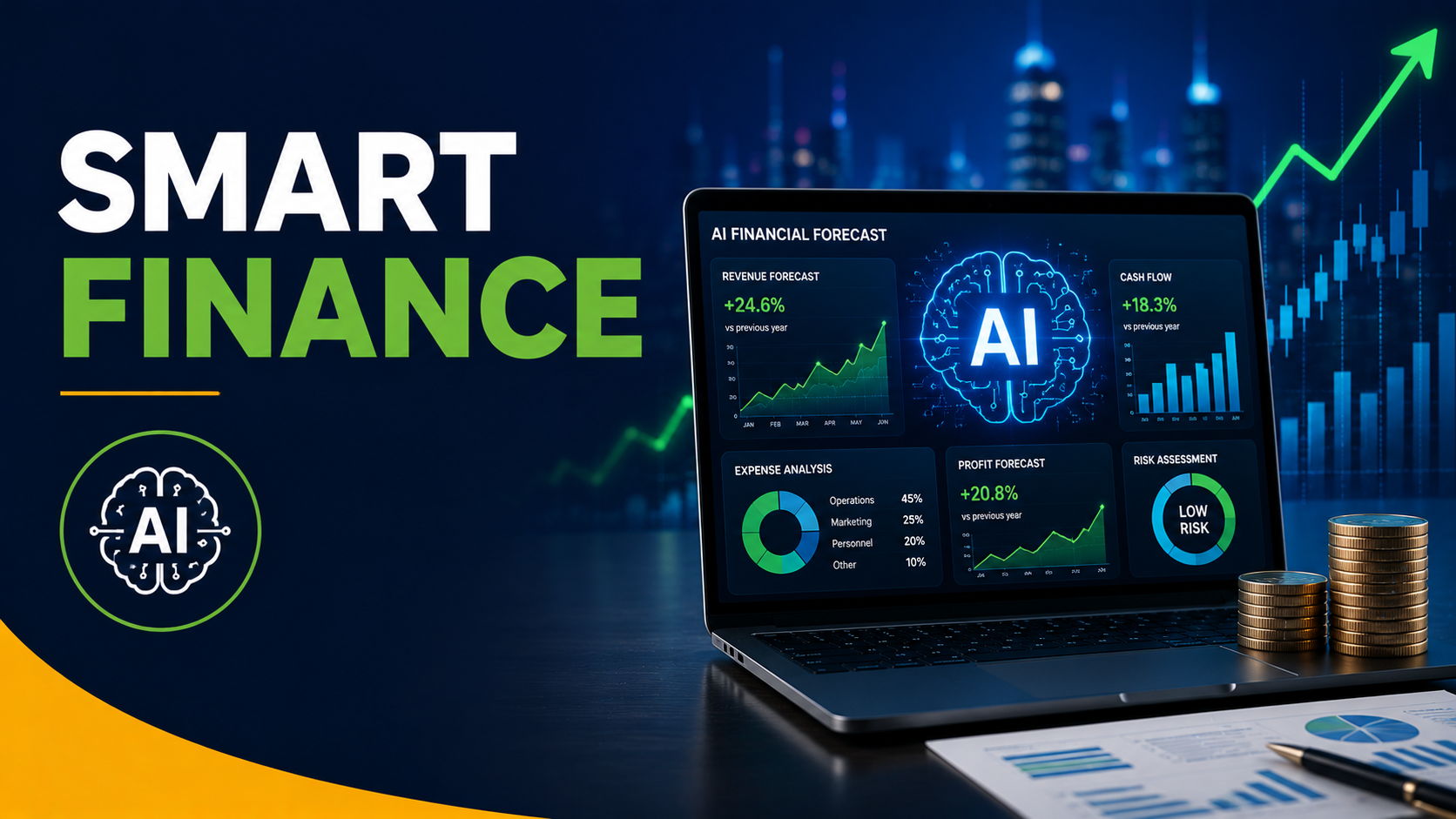
For decades, financial forecasting in African organisations has meant one thing: spreadsheets. Elaborate, manually maintained Excel workbooks with hundreds of tabs, fragile formula chains, and data that is weeks out of date by the time it reaches a decision-maker. AI-powered financial forecasting is not the future — it is happening now, and the productivity gains are significant enough that finance professionals who do not develop these skills risk becoming obsolete.
The Problem With Spreadsheet-Only Finance
The typical budget cycle in a mid-sized public institution: three to four months of data gathering, consolidation, and negotiation, culminating in a budget that is already partially obsolete on the day it is approved. Variance analysis is done monthly at best. Scenario modelling takes days. Cash flow forecasting is updated quarterly rather than dynamically. These are structural limitations of manual financial systems.
What AI Changes
Real-Time Forecasting
AI-powered systems connect to live data sources — bank accounts, ERP systems, accounts receivable platforms — and update forecasts continuously. A finance director can see the organisation’s cash position in real time, from their phone.
Pattern Recognition at Scale
Machine learning algorithms can analyse years of historical financial data to identify patterns that human analysts would never spot — seasonal revenue fluctuations, procurement cycle anomalies, expense category trends. These insights become the foundation for more accurate forecasts and better budget assumptions.
Scenario Modelling in Minutes
Traditional scenario modelling could take a finance team days to build manually. AI-powered tools run hundreds of scenarios in minutes, allowing leadership teams to explore a full range of strategic options before making major decisions.
Anomaly Detection
AI systems flag unusual transactions, unexpected variances, and potential fraud indicators in real time — dramatically reducing the risk of financial losses going undetected until an audit catches them months later.
“The finance professionals who will thrive in the next decade are those who combine deep financial expertise with the ability to interrogate AI-generated insights critically.” — Paul Mesike
Getting Started: A Practical Roadmap
- Data infrastructure: Ensure your financial data is clean, centralised, and accessible.
- Tool selection: Options range from Microsoft Copilot for Excel to full enterprise solutions like Anaplan or Workday Adaptive Planning.
- Skills development: Your finance team needs to understand how to interpret AI-generated insights critically.
- Process redesign: AI tools only deliver value if your financial planning processes are redesigned to take advantage of their capabilities.
AI handles the computation; finance professionals handle the interpretation and decision-making. The organisations that will use AI in finance most effectively are those that invest equally in technology and in the development of their finance teams.
Ready to Build This Skill?
INTCCARD offers executive training in Finance and 22 other disciplines — delivered in Mbabane, across Africa, and virtually.
Apply for Financial Modelling with Excel & AI →