Building Anti-Corruption Systems That Actually Work
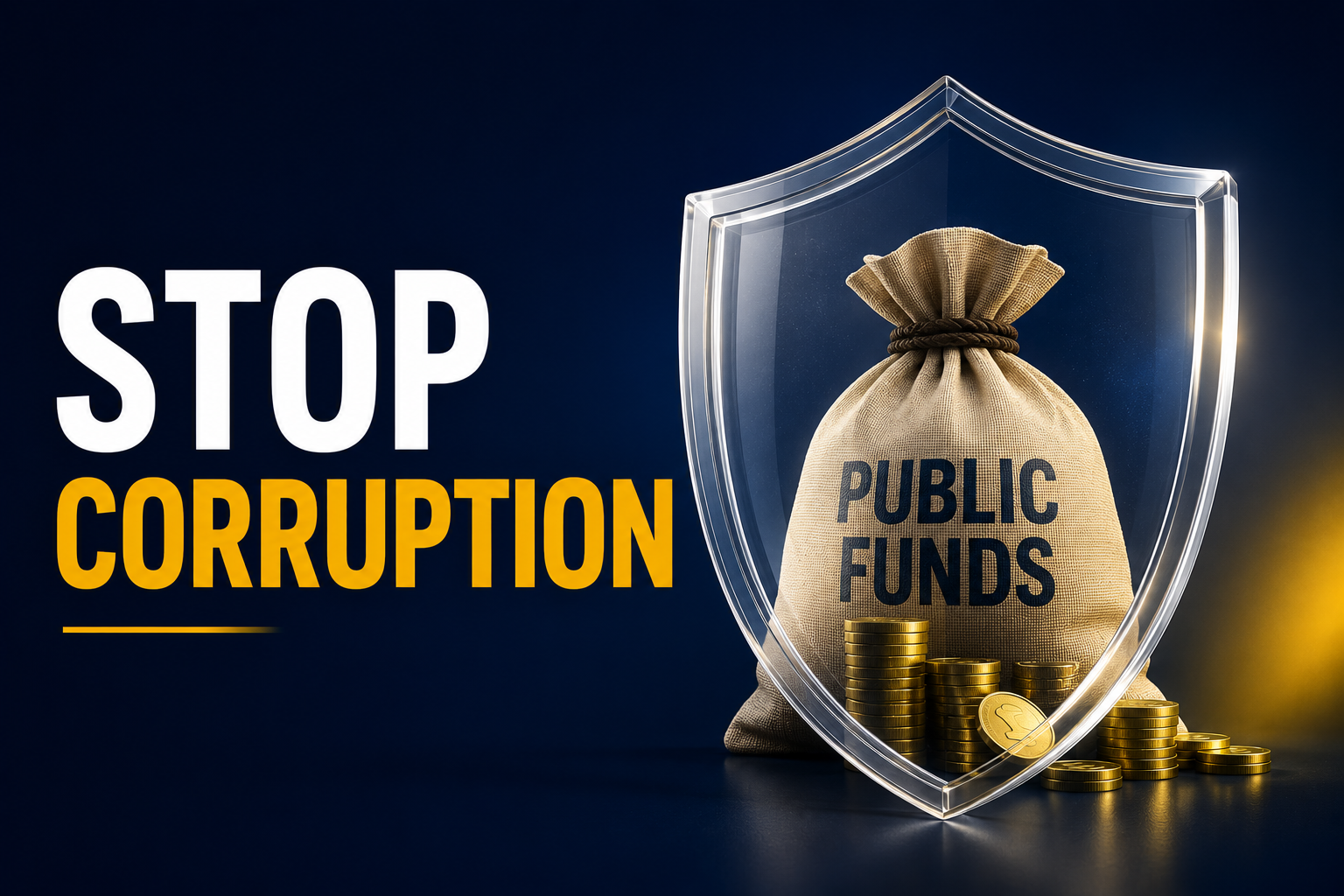
Anti-corruption is one of the most discussed and least solved governance challenges in Africa. Declarations, campaigns, commissions, and legislation proliferate — yet corruption remains deeply embedded in public institutions, draining resources that should be delivering services to citizens. The deeper problem is that most anti-corruption efforts focus on symptoms — prosecuting individual wrongdoers — rather than the systemic conditions that make corruption possible.
Why Most Anti-Corruption Efforts Fail
- They focus on individuals, not systems. Removing one corrupt official does not address the procurement loopholes, oversight gaps, and incentive structures that made their behaviour possible.
- They rely on enforcement without prevention. Detection and prosecution are the most expensive and least efficient anti-corruption tools. Prevention is far more effective.
- They ignore the role of culture. Corruption thrives where it is normalised, where whistle-blowers are punished, and where leaders model the behaviour they officially condemn.
- They lack sustained political commitment. Anti-corruption campaigns tied to electoral cycles intensify before elections and disappear afterward.
What Actually Works: A Systems Approach
Transparency as Architecture
The most effective anti-corruption measure is transparency — making the processes and decisions of public institutions visible to citizens, oversight bodies, and the media. Procurement conducted online, with published tender documents, evaluation criteria, and award decisions, is structurally harder to corrupt than procurement conducted in confidential meetings.
Separation of Duties
Single points of control are corruption risk points. Effective anti-corruption systems ensure that no single individual controls both the authorisation and the execution of significant financial transactions.
Strong Internal Audit
Internal audit functions that report directly to the board or audit committee — not to the executives whose activities they audit — are a critical safeguard. Effective internal audit units conduct risk-based auditing and report findings without fear of retribution.
Whistle-blower Protection
Corruption cannot survive sustained scrutiny from within. But whistle-blowers only come forward when they are confident they will be protected. Robust whistle-blower protection legislation — and a culture that genuinely values those who speak up — is one of the most powerful anti-corruption tools available.
Ethical Leadership
“You cannot build an ethical organisation without ethical leaders. Rules constrain behaviour; culture shapes it.” — Paul Mesike
Measuring Anti-Corruption Progress
Measure through leading indicators: whistle-blower reports received and acted upon, percentage of procurement conducted through transparent processes, audit findings repeated across multiple cycles, and staff survey results on perceived integrity of the organisation’s processes.
The evidence from countries that have made significant anti-corruption progress — Botswana, Rwanda, Mauritius — suggests that sustained systemic effort does produce results. The question for African institutions is not whether they can afford to invest in anti-corruption systems. It is whether they can afford the continued cost of corruption.
Ready to Build This Skill?
INTCCARD offers executive training in Governance and 22 other disciplines — delivered in Mbabane, across Africa, and virtually.
Apply for Governance & Anti-Corruption Strategies →